

How-to
Candle Tunnelling: Why It Happens and How to Fix It
A deep ring of unused wax needn't be the end of your candle. Start with the first burn, then try these fixes for a tunnel that's already formed.

Candle tunnelling is when a candle burns down the middle while a ring of wax remains around the edge. To stop it, let the wax melt across most of the surface on the first burn, then keep the wick trimmed and the candle out of draughts. If a tunnel has already formed, a carefully fitted foil collar may help melt the wax at the sides. Here is how to tell what went wrong and what to try next.
The usual story starts with a new candle lit for half an hour before you go out. It looks fine when you blow it out. A few burns later, the wick is sitting at the bottom of a little well, surrounded by perfectly good wax it cannot reach.
What causes candle tunnelling?
A candle tunnels when the wax melts close to the wick but stays solid at the sides, leaving the next burn to follow that narrow channel. People call this a candle's 'memory': the first burn often sets the pattern for later ones. It is useful shorthand, not a permanent verdict. A short first burn can start a tunnel, but you may still be able to correct it.
How wide the melt pool gets also depends on the wick, the container and the air around the flame. A draught can push the flame to one side, leaving an uneven rim. If the wick is too short or struggling to stay lit, it may not generate enough heat to melt wax beyond the centre. A badly matched wick can be the problem in a homemade candle, even when you give it plenty of time.
Wax type alone is not the answer. A soy candle can tunnel, and so can a paraffin one. Our Cucumber Soy Pot of Fragrance Candle comes in a reusable glass jar with a cork lid; like any jar candle, it benefits from a first burn long enough to make a broad pool of liquid wax.
How do you prevent tunnelling on the first burn?
On the first burn, give the candle time for the melted wax to spread nearly to the inside edge of its container before putting it out. A common starting guide is roughly an hour per inch of candle diameter, but watch the wax rather than the clock. Follow any maximum burn time on the candle's label, even if the pool has not reached the edge by then.
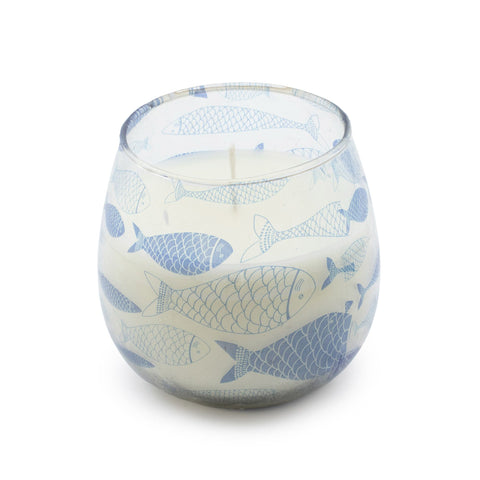
This is why a quick lighting while you wash the dishes is not always the best introduction. Choose a time when you can stay in the room for a proper burn. The Small Glass Jar Candle in Seabreeze, with its blue fish pattern on clear glass, makes it easy to see where the white wax has melted and where a solid rim remains.
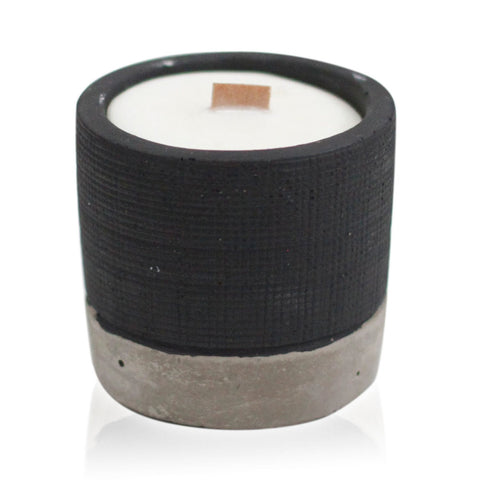
Before each later burn, check the wick. For a cotton wick, trim it to around 5mm when the candle is cold, unless its instructions say otherwise; remove loose trimmings from the wax. A wooden wick needs its own approach: gently remove the brittle, charred end once cool, following the candle's instructions. The Black Brandy Butter Pot has a natural wooden wick, so do not keep cutting it down as though it were cotton.
Tip: Put a newly lit candle where you will actually sit for a while, not in a hallway you are about to leave. A steady flame and an unhurried first burn do more than a complicated rescue later.
Why is my candle still tunnelling?
If you gave the first burn enough time and still have a wax wall, look at the flame and the shape of the melt pool. They offer better clues than the candle's age.
The wax melts on one side but not the other
A draught is the first thing to check. Move the candle away from open windows, fans and busy doorways, then let the wax cool before lighting it again. If the flame leans consistently in one direction, the candle is unlikely to melt evenly where it stands.
The flame is tiny or keeps going out
The wick may be buried in wax, trimmed too short or covered by melted wax. Once everything is cool, carefully remove a little excess wax immediately around the wick so enough wick is exposed to light. Take small amounts rather than digging a deep hole. If a wooden wick has a charred, loose tip, remove that first and try again.
The middle drops even after a long burn
Check the candle's burn instructions before leaving it lit longer. If it repeatedly makes a narrow pool despite a steady flame and adequate time, the wick may not suit the width of the candle. This is particularly relevant if you made it yourself: wick choice needs to match the wax, fragrance and container, so changing the burn routine cannot always fix the recipe.
How do you fix candle tunnelling with foil?
A loose foil collar can help with a shallow tunnel by holding some warmth near the unmelted wax at the edge. It is less likely to rescue a deep tunnel where the wick sits far below a high wall of wax. Try it only with a sound, heat-safe candle container and enough exposed wick to keep a steady flame.
- Start cool. Let the candle cool completely. Remove any loose wick trimmings or debris from the wax.
- Make a loose collar. Wrap foil around the outside of the container's upper edge and fold it slightly over the top, leaving a generous opening above the flame. Do not cover the flame or seal the top.
- Light and watch. Let the candle burn while you stay nearby. As the wax at the sides softens, check that the flame remains clear of the foil and the container is not getting excessively hot.
- Stop when the surface evens out. Put out the candle and leave the foil and container alone until they have cooled. Peel off the foil before the next ordinary burn.
If the container becomes unusually hot, the flame behaves oddly or the foil shifts towards it, extinguish the candle and let it cool. Do not keep extending a burn past the maker's stated limit to force the wax flat. A stubborn tunnel may simply not be worth another attempt.
Safety basics
- Never leave a burning candle unattended. Keep it away from children, pets and anything flammable.
- Set it on a stable, heat-resistant surface, away from draughts. Let the container and wax cool before touching, moving or cleaning them.
- Follow the candle's own burn-time instructions. Do not burn a candle in a cracked container, and stop using it before the flame reaches the bottom of the vessel.
- Do not add water to a lit candle or try to pry solid wax away from hot glass. To put it out, use a snuffer if you have one, or gently blow out the flame.
When are wax melts a better fit?
Wax melts are worth considering if you usually want fragrance for a short spell and cannot give a new candle a long first burn. There is no candle wick tunnelling through a wax melt, though you still need to use the warmer safely. A tealight warmer also has a flame, so switching does not make flame safety disappear.
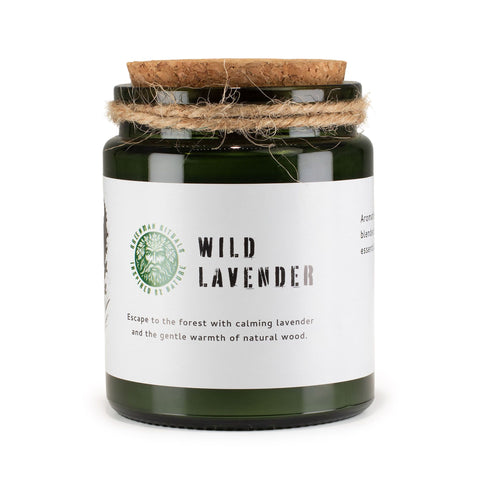
For the practical differences between the two, read our wax melts vs candles guide. If you prefer a candle for its flame and the occasional crackle, the Wild Lavender Woodwick Soy Candle has a wooden wick in a deep green glass jar. Give it the same patient first burn you would any other jar candle. A nice jar cannot negotiate with a five-minute timetable.
Candle tunnelling FAQs
Can you fix a candle that's already tunnelling?
Often, if the tunnel is shallow and the wick still burns steadily. A supervised burn with a loose foil collar may soften the wax at the edges; a very deep tunnel or a candle that repeatedly burns too narrowly may not be recoverable.
Do soy candles tunnel more than other candles?
Any wax candle can tunnel. The first burn, wick and container all affect how far the melted wax spreads, so do not judge the cause by wax type alone.
How long should you burn a candle the first time?
Burn it long enough for the melted wax to spread nearly to the container's inside edge, without exceeding its stated maximum burn time. Roughly an hour per inch of diameter is a guide, not a guarantee.
Can I scoop out the wax around a buried wick?
Yes, once the candle is completely cool, you can carefully remove a small amount around the wick so it can be lit again. Remove the loose wax before lighting and avoid gouging the container.
What to remember
Give a new candle a generous first burn, keep its wick in good shape and move it out of draughts. For an existing shallow tunnel, try a carefully watched foil collar rather than leaving the candle burning longer than its instructions allow. If you are choosing one for your next evening in, browse our soy wax candles and set aside time to light it properly.


