


How-to
Bath Bombs vs Shower Steamers: How to Use Each One
A shower steamer belongs beside the spray, not under it. Here's how to use one, how bath bombs differ, and which suits your routine.

To use a shower steamer, place it on the shower floor where splashes can reach it but the direct spray cannot. A bath bomb goes into the water you sit in; a shower steamer releases scent as water activates it and the shower warms up. Here's how to use each, make the most of it and keep the unused ones dry.
The names sound interchangeable until you put one in the wrong place. The useful distinction is where the fizz happens: in your bathwater, or off to one side of the shower while you get on with washing.
What's the difference between a bath bomb and a shower steamer?
A bath bomb fizzes directly in a filled bath, colouring or scenting the water as it dissolves. A shower steamer sits outside the main stream of water, where occasional splashes make it fizz and release scent into the warm, damp air. Both need water to start fizzing, but they're made for different settings.
That difference changes how you use them. With a bath bomb, you want the whole thing in the water. With a steamer, too much water washes it away quickly. You don't need to be in a bath to have a good reason to shut the bathroom door for a while.
How to use a shower steamer
Put a shower steamer on the floor, away from the drain and outside the direct spray, then let a little water splash onto it. That small amount of water starts the fizz; the shower's warmth helps carry the scent around the space.
- Start the shower. Give the water a moment to warm up before placing the steamer.
- Find a sheltered spot. Set it to one side, where it will get splashed but not sit beneath the showerhead or in a puddle.
- Adjust if needed. If it stays completely dry, move it a little closer to the spray. If it vanishes quickly, move it further away next time.
- Clear up afterwards. Rinse away any remaining bits from the shower floor and drain area.
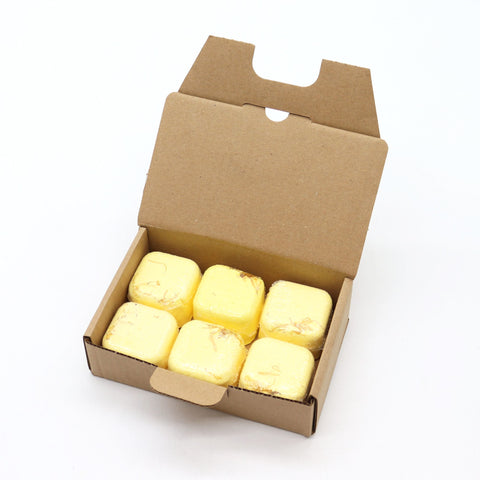
If you like floral, earthy scents, Steamy Shower Aromatherapy Shower Steamers, Set of 6 combine patchouli, ylang ylang and jasmine essential oils. The pink cubes have rose petals on top. For something sharper, Focus Booster Aromatherapy Shower Steamers, Set of 6 combine spearmint, lemon and eucalyptus essential oils, with calendula petals scattered across the pale yellow surface. The names suggest different moods; choose by the scent you'd like in your bathroom, not by a promise about how you'll feel afterwards.
Tip: Think splashes, not a soaking. If the steamer is dissolving before you've finished washing your hair, its position is the first thing to change.
How to use a bath bomb
Fill the bath to a comfortable level, then put the bath bomb into the water and let it fizz. You can add it before you get in to watch it dissolve, or once you're settled if you want the scent to arrive while you soak.
- Run the bath. Check the water temperature before you get in.
- Add the bath bomb. Drop it into the water rather than leaving it on the dry edge of the tub.
- Let it dissolve. Give it room to fizz; swish the water if you want the scent and colour to spread.
- Rinse the bath afterwards. Clearing residue while the bath is still wet is easier than coming back to it later.
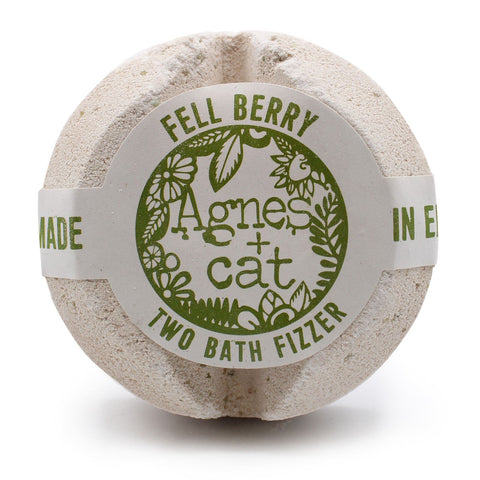
Set of 3 Chocolate & Orange Bath Bombs brings a warm chocolate and orange fragrance to the water; each of the three bombs is approximately 180g and dissolves steadily. If you'd rather have a fruity scent, Agnes + Cat Bath Fizzer - Fellberry develops its hedgerow-style fragrance gradually. You can use that fizzer whole or snap it in half for a lighter scent and a shorter soak.
The bath option asks more of your evening: filling the tub, sitting in it, then cleaning up. Some nights, that is exactly the point. Other nights, the kettle takes about as much planning as you can manage.
How long do they last, and can you make a shower steamer last longer?
There's no reliable single-use time for either type: water exposure, placement and the particular product all matter. A bath bomb dissolves in the water, while a shower steamer may disappear during one shower or leave some behind if it only catches light splashes.
To make a shower steamer last longer, move it further from the spray without putting it somewhere completely dry. Avoid leaving it in standing water. If there's a usable piece left after your shower, let it dry and keep it away from the next shower's spray until you want to use it again. A leftover piece may give a subtler scent next time.
For a bath, don't fish out a dissolving bomb and expect it to store neatly. If a bath fizzer is made to be divided, like Fellberry, split it while dry and put the unused half away before running the bath.
How should you store bath bombs and shower steamers?
Store both somewhere cool and dry, protected from bathroom moisture until you're ready to use them. Damp air can start the fizzing reaction early, leaving you with a crumbly steamer or a bath bomb that does less in the water.
A closed container in a cupboard away from the shower is more useful than a decorative dish beside it. If your bathroom fogs up every morning, a bedroom drawer may be the better address. Keep different scents separately if you'd rather they didn't mingle; the chocolate-and-orange bomb needn't smell faintly of eucalyptus.
Which suits you: a bath bomb or a shower steamer?
Choose a bath bomb if you have a bath and want the fizz, scent and water to be part of a longer soak. Choose a shower steamer if you prefer showers, have no tub, or want a scented shower without filling a bath. Neither is the lesser version of the other.
If you're choosing for someone else, start with the bathroom they actually use. A bath bomb for a person with a shower-only flat is an oddly elaborate cupboard ornament. Scent matters too: compare the fragrance notes rather than relying on names such as "Focus Booster" to tell you what an experience will be like. For more on those labels, our guide to essential oils and fragrance oils explains the distinction.
You can keep both. A steamer fits an ordinary weekday shower; a bath bomb is there for the evening when you want to run a bath and stay put. There's no need to invent a whole routine around either one.
Safety basics
- Keep shower steamers out of the direct spray, and don't place one where it could be slippery underfoot or block the drain.
- Take care getting into and out of a bath, especially if the surface feels slippery after using a bath bomb.
- Keep unused products dry and out of reach of children and pets. Check the ingredients if you know a fragrance or botanical ingredient doesn't suit you.
Bath bomb vs shower steamer FAQs
Can you use a shower steamer as a bath bomb?
No. A shower steamer is intended to release scent in the shower, out of the direct stream, rather than dissolve in bathwater around you. Use a product made for the bath if you want something to fizz in the tub.
Why can't I smell my shower steamer?
It may be too far from the water to start fizzing, or the shower may be rinsing it away too quickly. Try a spot that gets occasional splashes, and allow the shower to warm up. Scent strength also varies by product and by person.
Do you put a shower steamer directly under the showerhead?
No. Direct spray can dissolve it quickly. Place it at the edge of the shower floor where splashes reach it.
Can you use half a bath bomb?
Yes, if it can be divided while dry. The Fellberry bath fizzer can be snapped in half; keep the unused piece somewhere dry for another bath.
What to remember
Remember the placement: bath bombs go in the bathwater; shower steamers go beside the shower spray. Keep either one dry until you're ready, and pick a scent you actually want to spend time with. Browse our bath bombs for a soak, or our shower steamers if a shower is more your style.


