


How-to
Why Is My Salt Lamp Sweating? A Winter Care Guide
A wet salt lamp is usually reacting to damp air. Here's how to dry it, choose a better spot and look after the bulb and flex.

If your salt lamp is sweating, the salt is drawing moisture from damp air. Beads of water can form on the surface and run down onto the base; it does not mean the lamp is melting. Here's how to dry it, find it a better spot and look after the electrical parts.
It often shows up in winter, when windows stay shut and washing dries indoors. A puddle beneath a glowing lamp is still a fairly rude surprise.
What is a Himalayan salt lamp?
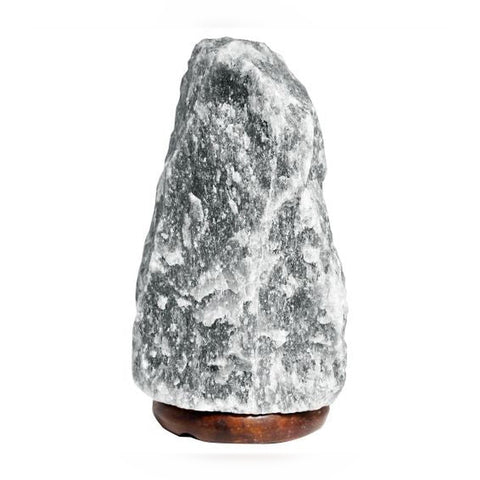
A Himalayan salt lamp is a piece of rock salt lit from inside. The reason to have one is the warm glow, especially if the big light makes a cosy room feel like a waiting room. The Grey Himalayan Salt Lamp is made from grey-pink rock salt, weighs approximately 1.5 to 2kg and glows amber when lit. Its shape and colour vary from piece to piece. The Quality Salt Lamp is another option in the approximate 1.5 to 2kg weight range; neither lamp's weight tells you how damp its room will be.
Rock salt is hygroscopic: it attracts water from humid air. When enough moisture gathers, the surface feels damp and droplets can reach the table below. The salt has not turned into liquid. If the room stays damp, though, wiping the lamp once will not stop the moisture coming back.
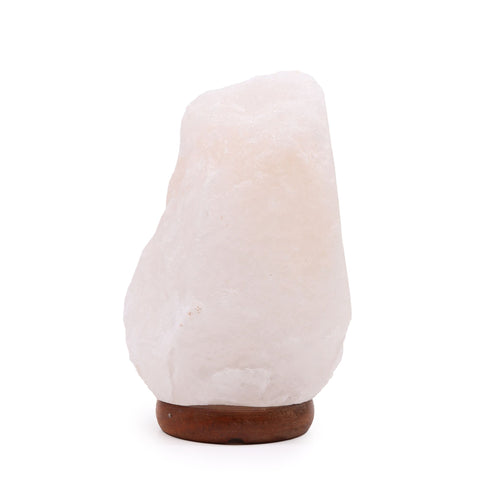
Size changes where you might put one, not how the salt behaves. The Crystal Rock Himalayan Salt Lamp weighs approximately 2 to 3kg, has a wooden base and varies in shape and colour. Give any lamp enough room that you can see beneath and around it when checking for damp.
How to set up a salt lamp
Set the lamp on a stable, level surface with a waterproof tray or mat underneath. A base does not replace the tray: water can travel over the salt and onto the furniture. This matters most on wood, veneer and any surface that marks easily. Choose somewhere you can reach the switch without pulling on the flex.
- Check everything is dry. Look at the salt, base, bulb holder, switch, plug and flex before connecting the lamp.
- Fit the bulb specified for your lamp. Follow its instructions for the correct bulb type and wattage. Do not guess based on the size of the salt.
- Stand it on its tray. Leave space around it, particularly if it is near books, fabric or other things you do not want damp.
- Switch it on and check it later. The light should glow steadily. Look beneath the lamp now and then, especially after a spell of wet weather or time switched off.
If you are planning the rest of the room around softer light, our ideas for lighting a room on dark evenings cover what to do beyond adding one lamp.
Where should you not put a salt lamp?
Keep a salt lamp away from places where the air is persistently damp or water can splash it. A bathroom, a spot beside the kitchen sink and a windowsill that collects condensation all make sweating more likely. A bright shelf in a drier living room is a better bet.
Watch the less obvious spots too. A shelf above drying laundry, beside a humidifier or close to a frequently opened window can leave the salt damp even when the rest of the room seems fine. Do not put it directly on an unprotected wooden table. If you are choosing between a lovely windowsill and a duller sideboard, pick the sideboard and put a plant on the sill.
Why is my salt lamp leaking?
A salt lamp that appears to be leaking is usually collecting moisture from the air faster than it can dry. Start by switching it off, unplugging it and checking where the water has reached before touching the lamp.
There are drops on the salt
Move it to a drier room and wipe the surface with a soft, dry cloth. Do not rinse the salt under a tap or soak it. Check the tray again later: the surface may look dry while moisture is still gathering around the base.
There is a puddle under the base
Unplug the lamp and lift it off the furniture once it is safe to handle. Dry the tray and surface beneath it, then check whether the base, cord or fitting is wet. If moisture has reached an electrical part, do not switch it back on until it has been checked or replaced as appropriate.
It keeps sweating after you wipe it
Wiping removes the water already there; it does not change the air around the lamp. Try another room, clear nearby condensation and deal with any wider damp problem. Leaving a wet lamp switched on is not a substitute for fixing the moisture source.
How do you clean a salt lamp?
Unplug it first, then gently wipe away dust and moisture with a soft, dry cloth. Use a fresh dry cloth around the base so you can see whether more water appears. Avoid abrasive brushes: a salt lamp is a light, not a salt cooking plate that needs scrubbing after dinner.
Let the lamp and its base dry completely before reconnecting it. Carry it to a drier spot rather than pulling it by the cord. In winter, check beneath the tray for marks on the furniture.
Bulbs, fittings and safety basics
If the lamp stops glowing, unplug it and check the bulb only after everything has cooled and dried. Use the bulb type and wattage required by that lamp's instructions; a replacement that fits the holder is not automatically the right bulb. If the switch, flex or plug is damaged, stop using it rather than attempting a makeshift repair.
For a lamp that needs a whole replacement fitting, the Salt Lamp Fittings UK has a UK three-pin plug, cord, in-line switch and bulb holder. It does not include a bulb. Check that any replacement fitting is suitable for your particular lamp before use.
- Unplug the lamp before changing a bulb, cleaning it or dealing with moisture.
- Keep the plug, switch, flex and bulb holder dry. Do not use the lamp if water has reached an electrical part or the flex is damaged.
- Keep the lamp where children and pets cannot knock it over or lick the salt. If a pet licks it, contact a vet for advice.
- Keep fabric and paper clear of the bulb and fitting, and let the lamp cool before handling it.
What about the claims made for salt lamps?
You may see claims online that salt lamps clean the air or change it in ways that affect your health. We do not make those claims. The reliable reason to put one in your room is that you like its colour and low, warm light.
Nor does the lamp solve a damp room. The drops tell you the salt has encountered moisture; they do not mean the room has been dried out. If condensation is gathering on windows or damp keeps returning, deal with that separately.
Salt lamp FAQs
Is my Himalayan salt lamp melting?
Usually, no. The apparent melting is moisture attracted from humid air, which can form droplets and run down the lamp. Dry it and move it away from the damp spot.
Can I leave a salt lamp on to stop it sweating?
Do not switch on a wet lamp to dry it. Unplug it, dry it thoroughly and check the electrical parts first. A lamp may still sweat in a damp room, so placement matters more than leaving it switched on.
What bulb does a Himalayan salt lamp need?
Use the bulb type and wattage specified for your particular lamp and fitting. Salt lamps do not all take the same bulb, so check the instructions before buying a replacement.
Are salt lamps safe around cats?
Keep the lamp where a cat cannot lick the salt, reach the electrical parts or knock it over. If your cat has licked it, ask a vet for advice.
Before you switch it back on
Dry the lamp, check the fitting and give it a tray in a less damp spot. If moisture keeps appearing, look at the room rather than polishing the salt again. For a lamp chosen for its glow, browse our Himalayan salt lamps and candle holders.


