



Seasonal
Cosy Lighting Ideas for a Living Room After the Clocks Go Back
Turn off the big light and work with what you have. Here's how to layer lamps, candles and softer glows for dark evenings.

For cosy living room lighting, turn off the big light and use several smaller sources instead: a lamp beside the sofa, a softer glow across the room and candlelight where you can enjoy it safely. Warm bulbs and a change of position often do more than buying another lamp. Here's how to build those layers, starting with what you already own.
The clocks go back one hour at 2am on the last Sunday in October. In London, sunset is about 18:07 on 15 October and 16:33 by 1 November, so the room you liked at six o'clock suddenly needs a different plan.
Why does the big light feel wrong in winter?
One bright overhead light illuminates the whole living room evenly, including the bits you would rather leave in the background. It is useful when you are looking for an earring or cleaning the floor. On an ordinary evening, it can flatten the room: the sofa, bookcase and laundry basket all get equal attention.
Layered lighting gives each source a job. Use one light bright enough for what you are doing, another to keep the far side of the room from disappearing, and a small glow for interest. You do not need a matching set. In fact, a table lamp, a borrowed bedside lamp and a candle usually look less formal together.
Start by moving the lamps you own
The quickest free change is to put a lamp where you sit, rather than where a spare socket happened to be. If you read on the sofa, try a lamp beside or slightly behind your shoulder so its light falls on the page. If you watch television, move a second light to the side of the room; a bright lamp directly beside the screen can be distracting.
Next, look at height. A low light on a side table and another higher up on a shelf make a room feel less flat than two lamps at the same level. Put a lamp in the dark corner you notice from the sofa, then sit down and check the effect from there. The view from the doorway is not the one you spend your evening looking at.
- Borrow a lamp: move a bedside or desk lamp into the living room for a few evenings before deciding you need another.
- Change the shade's direction: turn a movable lamp towards a wall if its light feels too direct. The wall becomes a larger, softer-looking lit surface.
- Clear a little space: give each light some room rather than burying it behind ornaments and books.
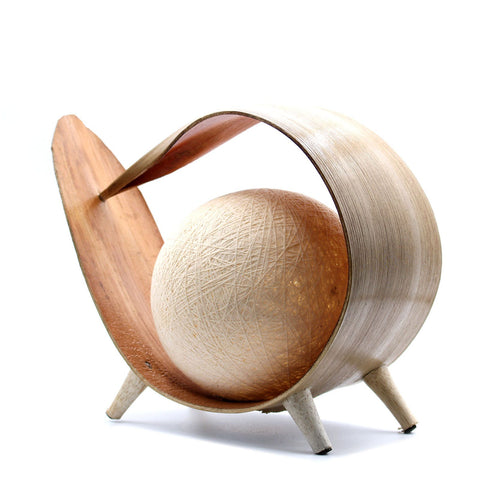
If you do need a lamp for a side table, the New Wave Lamp, Shell Twisted has three brightness settings and a wooden base. It is USB powered, so plan where it will connect before settling on a spot. For a different shape, the handmade Natural Coconut Lamp, Natural Loop is made from coconut and casts a warm glow. Both can stay in the room long after winter.
Choose warm bulbs, then decide how bright you need them
Warm white bulbs suit a cosy living room better than cold white ones, which can make an otherwise inviting corner look stark. If you have a spare warm bulb that fits your lamp, try that before changing anything else. Check the lamp's fitting and permitted bulb rating first.
Brightness matters as much as colour. A lamp you use for reading needs to illuminate the page; a light across the room only needs to show the corner is there. If one lamp has to do both jobs, an adjustable setting is handy. Otherwise, let different lamps do different things rather than expecting every bulb to fill the room.
For the gentlest layer, a Quality Salt Lamp gives you a glow to place away from the main pool of light. Think of it as a lit corner, not a reading lamp. If you already own one, try moving it from a crowded shelf to a darker spot and see how it looks from the sofa.
Add candlelight where you can see it
Candles work best as small points of light, not substitutes for lamps. Place one on a sideboard or a couple on a coffee table with enough clear space around them. From the sofa, you should see the flame or its reflection in the holder, rather than having to look down at a display on the floor.
A Flower Flip Dinner Candle and Tealight Holder in Midnight Grey gives you two arrangements from one glass holder: it takes a dinner candle one way up and a tealight when flipped. Try the taller candle when you want light above a low table, then turn the holder over for a lower point of light on another evening. The grey glass and pressed flower detail do not depend on a particular season.
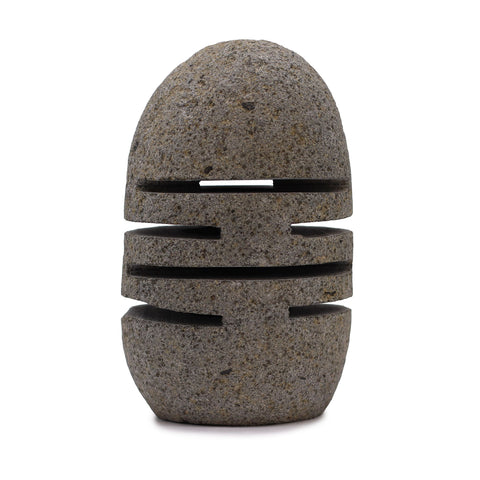
If you prefer light without an added fragrance, the 30 Unscented Tealights burn for approximately four hours each. An unscented candle also makes sense if you already have another room scent going. For a different effect, the Natural Riverstone Candle Holder, Standing Stone Cut has horizontal openings that cast bands of light when a candle is placed inside. Its stone markings vary, so it works as an object on the shelf even when unlit.
Tip: before buying more candles, gather the holders you own and try them together in one spot. Leave space between them and vary the heights. A small group reads as deliberate; a candle on every available surface gives you a lot more flames to watch.
Use walls and reflections to spread the light
A pale wall can make a modest lamp feel more useful. Aim a movable light towards it, then check whether the reflected light reaches the part of the room you use. This is a free way to soften a corner that feels too bright when the bulb points straight at you.
A mirror can help too, but placement matters. Move a small mirror you already own so it catches a lamp from across the room, then sit in your usual place and make sure you are not looking straight at a reflected bulb. Glass-fronted cabinets and ordinary framed pictures may catch smaller glints. You want a little depth, not a second big light staring back.
By 1 December, London sunset is about 15:54. These changes are useful beyond the evening itself: a lamp in the right place makes a living room workable through a long winter afternoon. If you are dressing the room for October too, our Halloween home décor ideas take the same room-by-room approach.
Safety basics for candles
Put candles and holders on a stable, heat-resistant surface, clear of curtains, books and other flammable things. Keep them out of reach of children and pets, away from draughts, and never leave a flame unattended. Let a stone holder cool fully before moving it. If that rules out the best spot in your room, use a lamp there instead.
A final thought
Turn off the overhead light, move one lamp beside your seat and put another glow across the room. Add candlelight only where it is safe and visible. Try that arrangement for a few evenings before buying anything; if you still have a dark corner to fill, browse our lamps and shades for a light with a clear job to do.


