




How-to
How to Cleanse Crystals Without Damaging Them
A practical guide to traditional crystal cleansing, from moonlight to sound, with the water warnings that matter and a separate plan for actual dirt.

To cleanse crystals at home, choose a traditional reset ritual such as moonlight, sound, smoke or resting them on selenite. Keep selenite and any stone you cannot identify out of water; cleansing in crystal tradition is different from washing off dirt. Here is how the common methods work, where water causes trouble, and what to do when a stone simply needs a dust.
What does cleansing a crystal mean?
In crystal tradition, cleansing means taking a moment to reset a stone before using or displaying it. Some people do this when a crystal is new to them, after carrying it for a while, or whenever the ritual feels useful. There is no test to pass and no required timetable. Your stone will not object if you forget Tuesday.
Think of it as a small, deliberate pause rather than a way to remove physical grime. You might set a crystal somewhere quiet, decide what you want the moment to mark, and put it back in its usual place. If that sounds like enough, it is. The methods below give that pause a shape; they do not require you to believe a stone has changed in a measurable way.
How do you cleanse crystals for the first time?
For a first crystal cleanse, use a dry method until you know exactly what your stone is. Moonlight, sound and a resting place indoors all avoid the uncertainty of a tap, a salt bowl or a damp windowsill.
- Identify the stone if you can. Check its name, whether it has a coating or metal fitting, and whether it feels crumbly, flaky or unusually soft. If you cannot identify it, keep it dry.
- Remove loose dust. Use a clean, soft, dry cloth. A ritual does not remove the fluff a crystal collected at the bottom of a drawer.
- Pick one method. Place it where you can leave it undisturbed, use a sound nearby, or spend a moment holding it. There is no need to do six methods in sequence.
- Put it somewhere practical afterwards. A shelf, dish or pouch will do. Choose a spot away from knocks and direct sun if its colour might fade.
Moonlight: the easy, dry option
Moonlight cleansing traditionally means leaving a crystal where moonlight may reach it, often overnight. An indoor windowsill or a table near the window is enough for the ritual; the stone does not need to sit outside getting rained on. Move anything delicate away from the edge before you leave it there.
Some people prefer a full moon, while others use whichever evening suits them. If you are planning around the next one, a UK moon-phase calendar gives the date and time. The date gives you a marker, not a deadline. Our guide to full moon names and dates explains the naming tradition if you are curious.
Do not confuse moonlight with moon water. Water left under moonlight is still water, with exactly the same risks for a stone that should stay dry.
Smoke and sound: methods without a soak
Smoke cleansing traditionally involves passing a stone briefly through incense or herb smoke; sound cleansing uses a tone nearby instead. Neither calls for coating the crystal, and sound is the simpler choice if you would rather not burn anything.
For smoke, light your incense or bundle, extinguish the flame so it smoulders, and move the stone through the smoke without bringing it close to the hot end. You can also set the stone on a nearby surface and let the smoke drift past. Sage is one option, not a requirement. If you are choosing incense for the job, our guide to sticks, cones and backflow incense explains the differences.
For sound, ring a bell near the stone and let the note fade before repeating it if you wish. The Medium Tibetan Tingsha Bell has decorative symbols and produces a resonant tone when played gently. A sound method does not require an instrument made specifically for crystals. If you have a singing bowl and want to learn how to play it, see our singing bowl guide.
Selenite: a place to set a stone down
Resting crystals on selenite is another traditional cleansing practice. Selenite is associated with cleansing and clarity in crystal tradition; physically, a bowl or plate simply gives smaller pieces a dedicated place to sit.
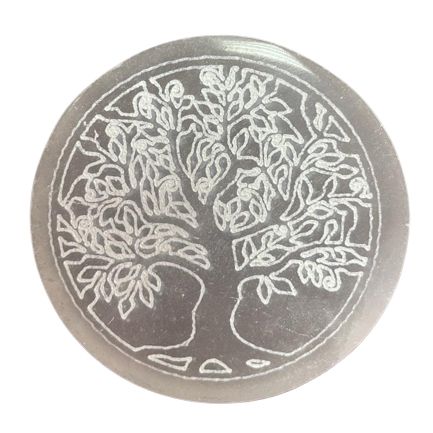
The Selenite Round Bowl is 6cm across and suits a smaller crystal or a ring. For several little stones in a row, the plain Flat Bar Charging Plate is 15cm long. The Tree of Life charging plate is an 8cm alternative if you would rather set a small crystal or piece of jewellery on a plate. They are useful resting spots, not a reason to leave a pile of stones balanced on a narrow ledge.
Keep the selenite itself dry. It is a soft form of gypsum, about 2 on the Mohs scale, and water can pit or dissolve it. A damp cloth may sound gentler than a rinse, but a dry, soft cloth is the safer choice here.
Earth, water and salt: check the stone first
Earth cleansing traditionally means placing a stone in contact with soil. If you want to try it, setting the stone on clean, dry soil in a pot is easier to reverse than burying it in the garden. Soil can lodge in cracks or scratch a soft surface, and outdoor ground may be wet even when it looks dry. If you cannot identify the stone, leave it indoors.
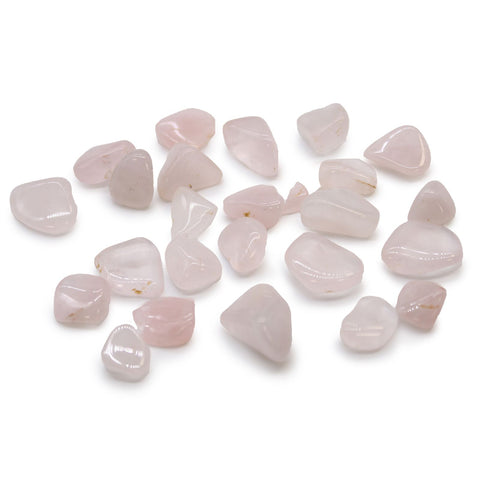
Water is trickier: different stones respond differently. A plain, polished Rock Crystal tumble stone is clear quartz; a small rose quartz tumble stone is another variety of quartz. Plain quartz can generally take a brief rinse. Dry it thoroughly, and check first for cracks, coatings or attached metal. Do not assume that advice applies to every crystal in the same bowl.
Keep selenite out of water. Keep other soft, porous, flaky or unidentified stones dry too. Salt water adds another chance of surface damage, and even dry salt can scratch a polished stone or get caught in crevices. If you were searching for how to cleanse crystals with salt, the sensible first question is whether you need salt at all. A dry ritual avoids the guesswork.
Sunlight is another tradition. If you want to try it, check how your particular stone responds to strong sun before leaving it on a bright windowsill for long periods.
How to clean actual dust and grime
For ordinary dust, start with a soft, dry cloth or a gentle brush. Work around grooves rather than pressing grit across a polished face. This is cleaning, not crystal cleansing, and it is fine to do it without a ritual attached.
If a plain, water-tolerant stone has stubborn dirt, use a little lukewarm water, rinse briefly and dry it straight away with a soft cloth. Do not soak a mixed collection to save time. One unidentified piece can turn a quick tidy into an unfortunate experiment. For selenite, stick to the dry cloth; if you are unsure about another stone, do the same until you can identify it.
Safety basics
- Burn incense or herb bundles over a heatproof dish, away from curtains and paper. Never leave them smouldering unattended.
- Keep flames, hot ash and smoking materials away from children and pets, and ventilate the room.
- Let ash and holders cool before moving or cleaning them.
- Keep small stones out of reach of anyone likely to put them in their mouth.
Crystal cleansing FAQs
Can you cleanse crystals with moon water?
Only if the stone can safely get wet. Moon water is still water, so do not put selenite or an unidentified stone in it. An indoor moonlight ritual avoids the issue.
How long should crystals stay on selenite?
There is no fixed time. Leaving a stone on a selenite dish while you make tea, or until you next pick it up, is enough to give the ritual a beginning and an end.
Do you need sage to cleanse crystals?
No. Smoke is one traditional option, and sage is only one way to make it. Moonlight, sound or a quiet moment with the stone are alternatives if smoke is not for you.
What to remember
Choose a dry method first, especially when a stone is new or unidentified. Keep ritual cleansing separate from removing dirt, and never put selenite in water. If you are choosing a stone to keep close, browse our tumbled stones and chip stones and check what you have before deciding how to care for it.


