


How-to
What to Do in a Power Cut: A Torch-First Kit and Candle Safety
A practical power-cut kit, a plan for the first few minutes and clear advice on using candles only when a torch won't do.

If the power goes out, use a torch first, check whether the outage is local and keep your phone charged for updates. In Great Britain, you can call 105 free to report an electricity power cut or get updates. Candles can provide back-up light, but only if you can place them safely and stay in the room. Here's what to keep ready and what to do when the lights go off.
You don't need an elaborate emergency cupboard. A small kit you can find without the big light is more useful than a beautifully organised box at the back of a dark loft.
What should you keep ready for a power cut?
A torch or battery lantern, working batteries and a charged phone are the core of a useful power-cut kit. Add a warm layer and drinking water, then consider candles and matches as a back-up rather than your main plan.
- A torch or battery lantern: Pick one you can carry while you move around. Check it occasionally, and keep spare batteries with it if it needs them. A battery-operated tealight may mark a table or shelf, but it won't replace a torch for finding your way around.
- Your phone and a charging option: Keep a portable power bank charged if you have one. Save your electricity network's contact details somewhere you can find offline, too.
- A warm layer: A jumper, socks and a blanket are easier to locate before a winter gale than during one. If your heating needs electricity, the room may cool while the power is off.
- Candles, holders and matches: Keep these together, but separate from anything that could catch fire. A proper holder matters more than an impressive-looking candle.
If you already use tealights, the Flower Flip holder in Midnight Grey takes a dinner candle one way up and a tealight when flipped. Choose the side that suits the candle you have, rather than balancing whatever turns up in the drawer. For a different option, the Primavera straight candle holder is an 8 x 8cm recycled-glass holder made for tea lights or small pillar candles.
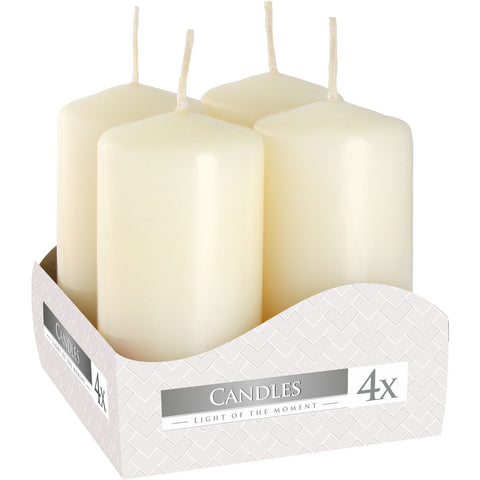
The set of four ivory pillar candles gives you four unscented candles, each 40 x 80mm. Put candles in the kit only if you also have suitable holders and a safe place to use them. A candle without either can stay unlit.
Where should the kit go?
Keep the kit somewhere you can reach from the main living area without navigating stairs or rummaging through an unlit cupboard. The torch belongs at the front, not underneath the candles. Show anyone else at home where it is, and return it there after use.
Think about the route you take when the lights fail: the hallway, the kitchen drawer, perhaps the cupboard by the front door. Choose a spot that stays accessible if you're in socks, carrying your phone and trying not to trip over a bag. Put matches where children cannot reach them, and keep candles where they won't get knocked about.
It also helps to decide in advance which room you'll use. One comfortable room is easier to light and keep track of than candles scattered through the house. If you prefer a non-flame option on tables, battery-operated LED tealights are worth considering, particularly where an open flame would be awkward.
What should you do when the power goes off?
Find your torch, check whether the outage affects more than one appliance, then look for updates before using your phone battery on repeated searches. Work through the basics in this order:
- Get some light. Use the torch or battery lantern to move safely. If your phone is your only light, lower its brightness when you can and use it sparingly.
- Check what's affected. Look for signs that the whole home has lost power rather than one lamp or appliance. You can check your consumer unit if you know how to do so safely. Don't touch damaged wiring or electrical equipment.
- Get an update. In Great Britain, call 105 free to report an electricity power cut or find out what's happening. If you can get online, check your electricity network's outage information.
- Keep things simple. Leave the fridge and freezer doors closed as much as you can. Keep your phone available for calls and updates, and gather what you need in the room you plan to use.
If you can manage with a torch, stop there. Candlelight is useful for sitting at a table, not for walking through a dark house with your hands full.
How do you light a room with candles safely?
Use one stable, suitable holder on a clear, heat-resistant surface in the room where you're staying. Aim for enough light to sit and read or talk, rather than trying to recreate the brightness of a ceiling fitting. Two well-placed points of light can be easier to use than a cluster in one corner.
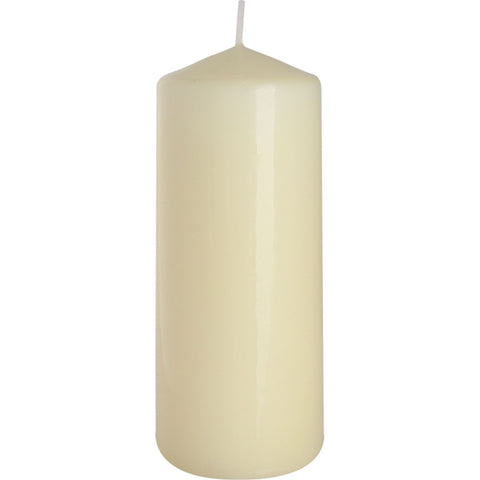
A pillar candle needs a suitable base or holder to catch drips and keep it steady. The 60 x 150mm ivory pillar candle is unscented; choose it if you prefer a larger pillar to several small candles, and give it a suitable holder of its own. Don't assume a holder made for a tealight will also take a pillar.
Place light where you'll use it, such as on a cleared dining table, rather than on a crowded windowsill. If a candle casts a shadow over the thing you're trying to see, move your activity closer to the light while everything is cool. Don't carry a lit candle from room to room. That's a job for the torch.
Tip: Test your kit on an ordinary evening. Find the torch without switching a light on, check that its batteries work and make sure the candles actually fit the holders you've put aside.
Safety basics
Open flames need a clear surface and someone in the room to watch them. These are the boundaries to set before lighting anything:
- Keep candles away from curtains, paper, decorations and other flammable items. Use a stable, heat-resistant surface, out of draughts and beyond the reach of children and pets.
- Never leave a burning candle unattended. Extinguish it before leaving the room or going to bed; don't leave candles burning in a bedroom overnight.
- Don't use candles to warm a room, heat food or work by while handling electrical equipment.
- Let the candle and holder cool before moving them. Keep matches and spent matches somewhere safe.
Power-cut lighting FAQs
Are LED tealights better than candles in a power cut?
LED tealights avoid an open flame, so they're a sensible choice for a table or shelf where a candle would be unsuitable. Check their batteries in advance. You'll still want a torch or battery lantern for moving around.
Can I use a candle if I don't have a holder?
No. Use your torch or another battery-powered light instead. A candle needs a stable holder suited to its shape and a heat-resistant place to stand.
Should I leave a candle burning while I sleep?
No. Extinguish every candle before you go to bed, even if the electricity is still off. Keep a torch beside the bed in case you need to get up.
Who do I call about a power cut?
In Great Britain, call 105 free to report an electricity power cut or get updates. If you're elsewhere, use your local electricity network's reporting service.
What to remember
Put a working torch where you can find it, keep your phone charging option ready and decide which room you'd use. Candles are an optional back-up, not the centre of the plan. If you're putting together that part of the kit, our dinner candles, pillar candles and tea lights collection is a place to compare formats; for everyday lighting ideas when the electricity is working, read how to light a room on dark evenings.


