


How-to
How to Make Moon Water (and What People Use It For)
A clean jar, a full moon and a place to leave it overnight. Here's the simple ritual, plus what to do with the water afterwards.

To make moon water, fill a clean glass jar with fresh water, close it, and leave it on a windowsill or in a sheltered spot outside during a full moon. Bring it in the next morning, preferably before direct sunlight reaches it. That is the basic moon water ritual; below, you'll find the steps, the next UK full moon dates and sensible ways to use what you've made.
Moon water is ordinary water set aside as part of a ritual in modern witchcraft and related practices. The moon does not change it into a special kind of drinking water. What matters to the ritual is the time you take to prepare it and the meaning you give it, even if your view of the moon is entirely practical.
What is moon water?
Moon water is water left out during a chosen moon phase, most often the full moon, for later use in a personal ritual. Some people pair it with an intention, such as making time for a project; others simply like marking the date. Neither approach needs special equipment or a complicated set of rules.
You can use a windowsill instead of a garden. The jar does not need an uninterrupted beam of moonlight, and a cloudy night has not ruined your plans. If you would rather follow the cycle through the year, our guide to full moon names and dates explains the names behind the calendar.
What you'll need
- A clean glass jar. A washed jar you already own will do. Our 500ml Kilner Glass Jar is sold empty, so you can fill it yourself; wash it by hand. If your jar has a lid, use it. Otherwise, cover the opening securely.
- Fresh water. Filtered water is a straightforward choice, but you do not need to buy anything for the ritual. Keep the water plain if you plan to use it on plants.
- A place to leave it overnight. Try a windowsill, or a stable, sheltered outdoor spot where the jar cannot easily be knocked over.
- Optional: a note. If you want to record an intention, a scrap of paper works. The green A5 Intention Notebook has a reusable screen for temporary thoughts and 80 lined leaves for anything you want to keep.
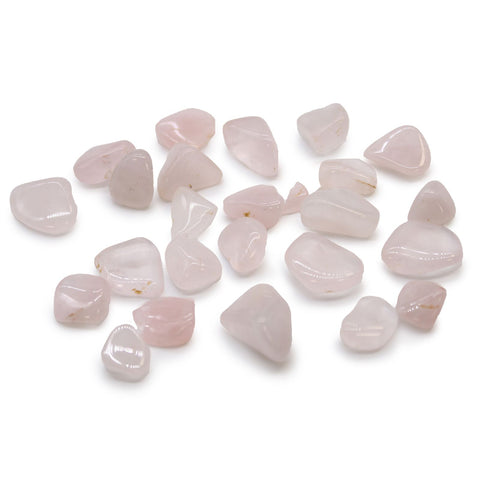
No crystals are required. If you want one nearby, place it beside the jar rather than in the water. A small rose quartz tumble stone gives you a pink stone to set alongside it; rose quartz is traditionally associated with joy and happiness. The stone stays dry. Easy.
How to make moon water, step by step
Making moon water takes a few minutes of preparation and an overnight wait. You can keep the ritual as plain or as personal as you like.
- Wash the jar. Clean the jar and its lid, if it has one, then rinse them well. Start with fresh water rather than yesterday's half-finished glass.
- Fill and cover it. Pour in the water and cover the opening securely. This matters especially outdoors, where an open jar can collect leaves, insects and whatever else the night provides.
- Choose your intention, if you want one. Write a short sentence on paper or in a notebook. You might note what you want to make time for, or simply write the date. You do not need to put the note inside the jar.
- Set the jar out. Leave it on a windowsill or in a sheltered garden spot on the night you have chosen. Somewhere stable beats somewhere picturesque but precarious.
- Bring it in the next morning. Many people prefer to collect it before sunlight falls directly on the jar. That is a ritual preference, not a claim that daylight spoils the water.
- Label and use it. Write down when you made it and keep it separate from drinking water. Use it soon rather than leaving an unlabelled jar at the back of a cupboard.
Tip: If you miss the exact moment of the full moon, you can still make a simple ritual of the evening nearest it. A calendar is helpful; a stopwatch is not.
When is the next full moon in the UK?
A UK moon-phase calendar gives the exact time of each full moon, but those are moments in the sky, not deadlines for putting your jar out.
For the February and April dates, the evening of the full moon is an easy choice. The March moment falls in the morning, so you could leave your jar out the night before and collect it on 22 March. If clouds hide the moon, you can still follow the date you chose. The ritual does not require a clear view from your window.
What do people use moon water for?
People use moon water as part of a personal ritual, not because it has a proven special effect. A small amount can mark the beginning of a journalling session: set the jar nearby, read your intention again and decide on one ordinary action you can take. The action is yours; the water is a prompt.
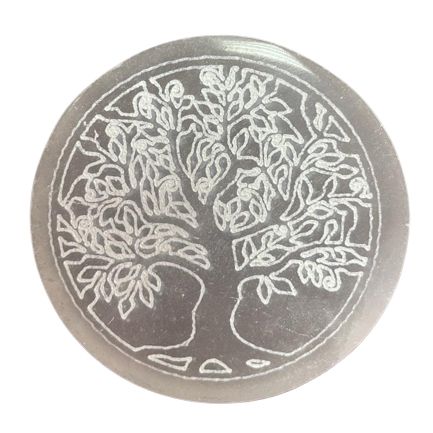
Some use it for symbolic cleansing, such as wiping a suitable surface with a little water and a clean cloth. Check the surface first, and keep water away from anything that should stay dry. If your ritual involves crystals, our guide to cleansing crystals covers other traditional approaches and which stones to keep out of water. The Tree of Life selenite charging plate is an 8cm resting place for crystals or jewellery, traditionally associated with cleansing. Keep the plate itself dry.
You can also use a little fresh, plain moon water to water a suitable houseplant, pouring it into the soil as you normally would. Skip that idea if you have added anything to the water. The plant needs appropriate watering more than it needs a ceremony, which is probably a sensible arrangement.
What should you avoid?
Keep moon water for non-drinking uses, and keep water-sensitive stones out of the jar. Both rules are easy to follow without changing the ritual.
- Do not drink it. This guide does not recommend drinking moon water, particularly water left outside. Use a separate container for everyday drinking water.
- Do not put selenite in water. Selenite and other soft or porous stones should stay dry. If you want crystals in the scene, arrange them beside a covered jar instead.
- Do not keep it indefinitely. Make a modest amount, label it and discard any you have not used soon. If it looks cloudy or smells odd, pour it away.
- Do not assume every surface likes water. Keep it off delicate finishes, electrical items and anything whose care instructions rule out moisture.
Moon water FAQs
Does moon water have to be made under a full moon?
No. The full moon is a common choice, but people also use other moon phases as part of their own traditions. Pick the date that suits the ritual you want to make.
Can I make moon water through a window?
Yes. A windowsill is a practical place for the jar, especially if leaving it outdoors is inconvenient. You do not need to leave the window open.
How do I store moon water?
Keep it in a clean, covered, labelled jar, separate from drinking water, and use it soon. Pour it away if it looks or smells off.
Do I need to put crystals in moon water?
No. Crystals are optional, and some should never go in water. You can place a stone beside the jar if it is part of your ritual.
What to remember
Use a clean jar, fresh water and a windowsill or sheltered outdoor spot. Add an intention if you like, then bring the jar in the next morning and keep its contents for non-drinking uses. If you enjoy the look of glass alongside crystals, you can browse our crystal-infused glass bottle collection, but keep your moon-water jar separate from any bottle you use for everyday water.


